During the Covid pandemic, there were unprecedented lockdowns. Businesses were closed and people were instructed to stay at home. Eventually everything opened again, but not all at once.
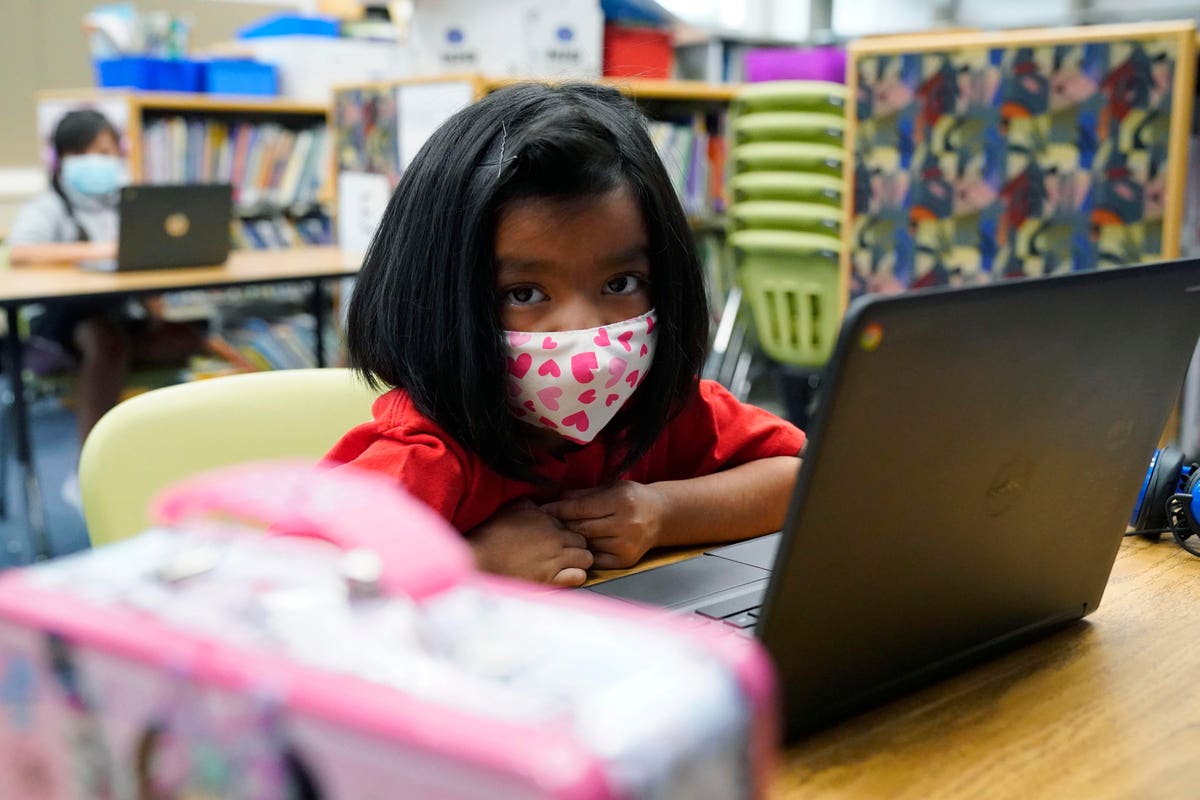
When schools closed, students were expected to learn at home, remotely, but for many this was a poor substitute for in-class attendance. In the US, schools were one of the last places to reopen. This was strange because, from the very first reports about Covid in early 2020, it was known that the disease was vastly more dangerous to old people than to children. In fact, while children could contract Covid, many had few or no symptoms, hardly any died, and they rarely transmitted the infection to others.

David Zweig lived in New York state and had two children of school age. He was personally affected. He worked as a freelance writer, and started investigating what was going on with school opening policies. He was struck by a double standard. After government officials opened restaurants and pubs, they wouldn’t allow schools to reopen. It didn’t make sense. Adults mixing with each other were at far greater risk than children doing the same.

David Zweig
Zweig started collecting evidence about this. In May 2020, most European governments opened their schools and there was no surge in Covid cases. But US schools remained closed. Zweig thought this was an important story, but the mainstream US media were not reporting it. Not only that, he couldn’t get his story published in venues, like the New York Times, that had published his work before.
Finally he got his story published in Wired, a popular magazine about information technology issues, and he began to hear from people across the country with the same concerns. He heard from parents, doctors and epidemiologists who were disturbed by policies that were harming children. Zweig followed developments closely, both in his local school district, where he and others made repeated efforts to convince officials to open schools, and across the country.
He decided to write a book about the US school experience during the pandemic. It’s titled An Abundance of Caution, after a phrase used by officials to justify their stance. His book is a devastating critique of a misguided approach to risk.

Some may disagree with Zweig, and say that his conclusion — that US schools policy during the pandemic is “a story of bad decisions,” to quote the subtitle of his book — is wrong. That would be difficult, given Zweig’s careful analysis. Yes, he’s a journalist and writer, not a scientist or policy guru, but he doesn’t rely solely on what he learned himself. He also draws on numerous scientific studies and interviews with leading experts. He spares no detail: An Abundance of Caution is a long book, clearly and engagingly written while packed with detail.
Before the northern summer of 2020, most European schools had reopened, and there was no surge in Covid mortality. US schools remained closed for the remainder of the school year. The question over the summer was whether they would reopen in the autumn. Many did not, and most of those that did used extreme Covid-control measures, including mandatory masking, distancing, barriers between desks, and limited hours of attendance to cater for distancing requirements. In the craziest option, some schools opened for a limited number of students, who sat isolated from each other while they used Zoom, without a teacher in the classroom. Meanwhile, as Zweig reiterates, most European schools were open, often with no such measures to keep students away from each other.
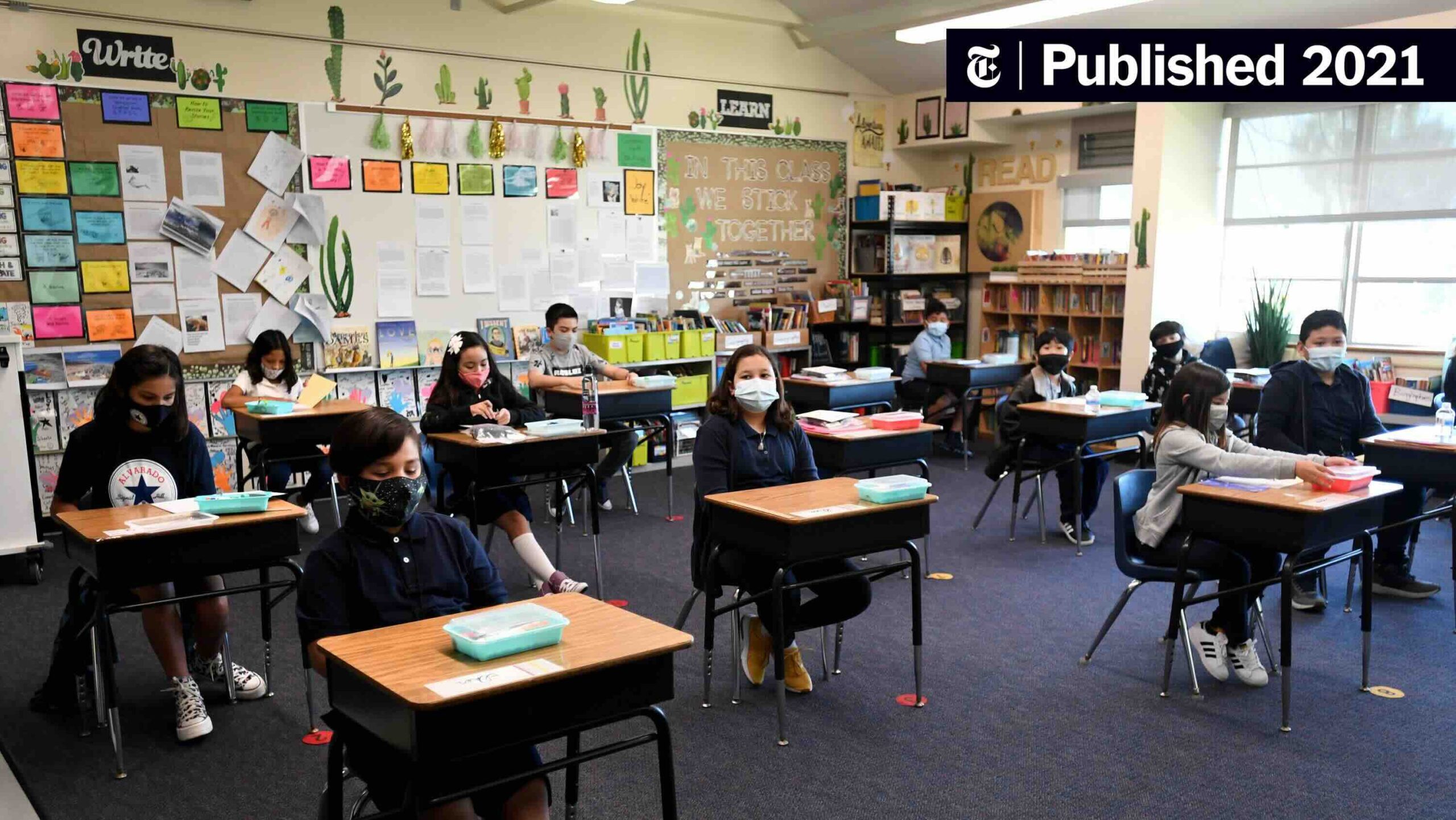
How could this discrepancy in practices be justified? Mostly, US officials simply ignored the European evidence. US media gave it little or no attention. Some defenders of US measures tried to justify them by saying US circumstances were different. Zweig examines all such justifications and demolishes them.
“In a time when much of the public had been whipped into a state of fear, a person who claimed that a decision was made ‘out of an abundance of caution’ was absolved from having to provide evidence, or near any defense at all, and rendered any opposition morally suspect.” (p. 115)

If we accept Zweig’s argument, how can the US policy be explained? He examines several factors. One was the US media’s one-sided emphasis on danger and fear. This was driven by fear-mongering by US public health officials, but Zweig blames the media for lacking curiosity about the evidence behind schools policy. He can say this because, as a journalist himself, he had investigated and written stories. Yet even after his stories were published, other journalists didn’t follow up, instead continuing to parrot official recommendations.
Another factor was political polarisation. Zweig notes that most public health officials are politically left, called liberal or progressive in US terms. They reacted viscerally against anything proposed by those seen as right-wing. One of Zweig’s chapters is titled, “If Trump is for it, then we’re against it.” When Trump, in 2020, came out strongly in favour of reopening schools, this was enough for liberals to oppose it. The power of this political identification overwhelmed evidence. Zweig and others who pushed for consideration of the evidence supporting schools reopening were accused of being political reactionaries, even of murdering children.

“In short, Trump’s advocacy for schools to open, ironically, made them less likely to open, simply because he was the one advocating for it. For Democratic politicians, members of the medical and public health fields, and those in the professional classes in general, regardless of their views on the matter, just the appearance of agreeing with Trump was enough to deter them from doing so.” (p. 153)
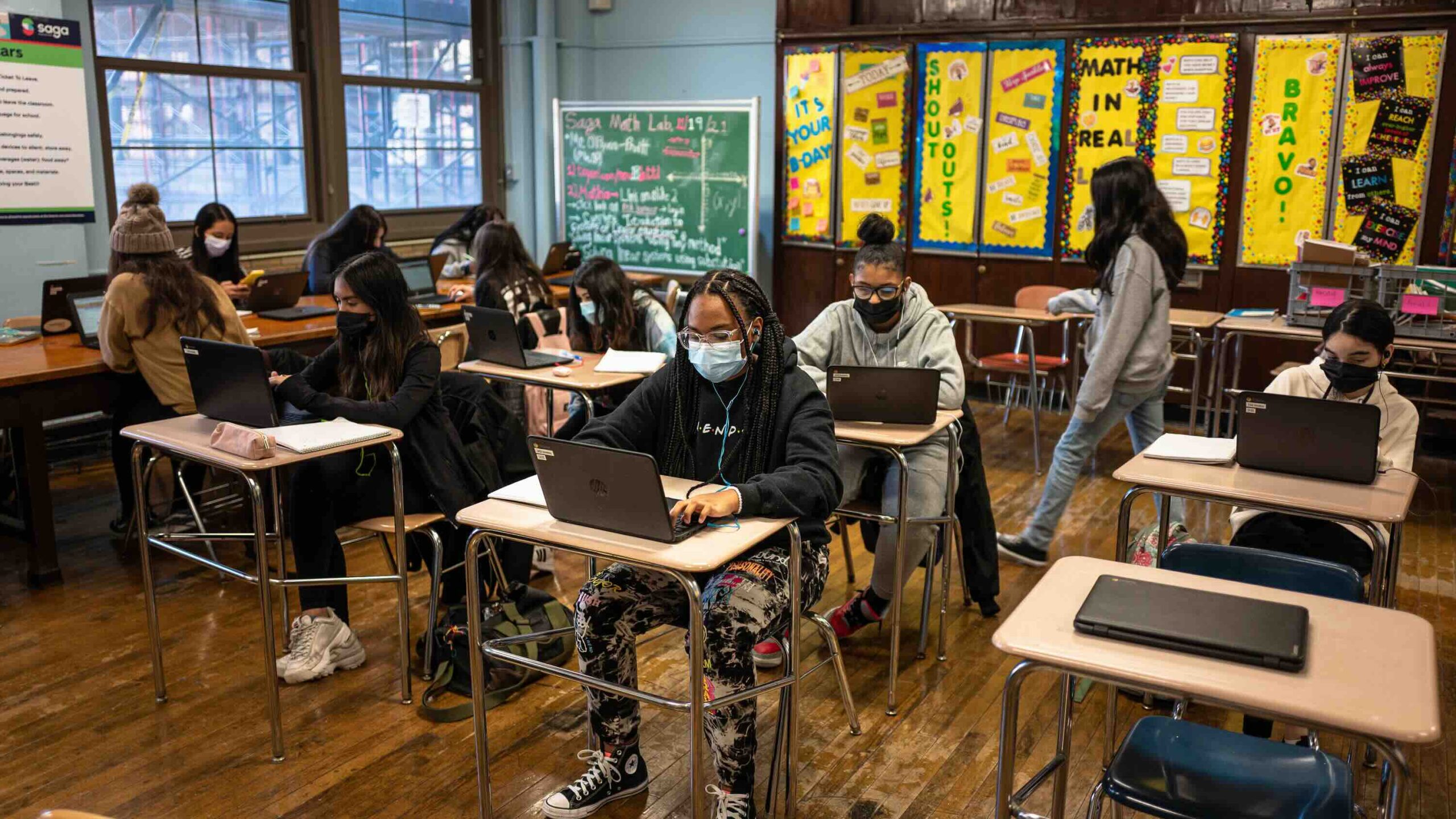
The challenge for proponents of reopening was especially great in what are called blue states, where the Democratic Party held government, and the rhetoric of protecting children outweighed any appeal to evidence. One facet of the resistance to reopening was the stance of teachers’ unions, which in blue states came out fiercely opposed to in-person teaching, and there were protests by teachers. Zweig notes how remarkable this was, considering that other occupations, like doctors and firefighters, had done their jobs throughout the pandemic, accepting personal risk as part of their professional obligations. Zweig notes that opponents of in-class teaching condemned states like Florida that had reopened schools earlier, despite evidence that their Covid rates were no higher than elsewhere.
The alignment between left politics and strong Covid-control measures wasn’t found everywhere outside the US. For example, in Sweden, the right-leaning political party supported stronger measures than the left-leaning government. Zweig concludes that schools policy was not driven by ideological considerations but rather by “tribalism.” In the US, being strongly in favour of keeping schools close signalled membership of the political left. Zweig: “The more fear, the more ‘seriously’ you took COVID, the more virtuous you were and the more you raised your status among other progressives or Democrats.” (p. 163) Because most health professionals were afraid to say anything that sounded like agreeing with Trump. “Public skepticism and criticism, therefore, was largely left to conservative mavericks like Rand Paul.” (160)
Zweig’s goal is to expose the irrationality of US schools policy, including the willing disregard of evidence. As a side issue, he devotes one chapter to the harms caused by the interruption to participation in classes, which increased domestic violence, self-harm, loss of educational support, isolation and alienation. The harms were worse for those on lower incomes, without remote learning, and where parents needed to go out to work. These harms were readily apparent, yet played no role in schools policy, with statistics on Covid infection and death rates treated as all-important.
Those who continually cried “follow the science” were actually the ones who based policy on a lack of evidence. There was no evidence supporting the six-foot distancing rule or the use of partitions between students. Not only that, but the premier medical research bodies in the US did not fund research concerning these measures, so investigations were left to others outside the research community.

“Believing in the effect of interventions — and imposing them on the citizenry — without scientific validation meant we were following a model of public health that was faith-based, as opposed to evidence-based. This was even more bizarre because with European schools and American daycares, where many or most of these interventions were not in place, we had copious evidence that if they offered any benefit at all, it was not meaningful. Decisions were guided not just by faith in the unknown, but faith against observable reality.” (128)
An Abundance of Caution provides a cogent message about the dangers of obsessively focusing on a specific danger. Zweig notes that the number of US children who died of Covid during the peak years of the pandemic was smaller than the number of US children who died of the flu in some non-pandemic years, yet there were no calls to close schools because of the danger from the flu. Even more children die from traffic accidents, but there are no calls to prevent them from travelling in cars.

During the pandemic, public health authorities, often joined by political leaders, raised the alarm about Covid, seldom putting it in the context of other harms. There were daily media reports giving figures for the number of Covid cases and deaths, almost never accompanied by figures for cases and deaths from flu, cancer or heart disease. The fixation on Covid harms — which were real enough — led to harms from Covid-control measures being almost invisible. The harms to children from wearing masks, being prevented from socialising, not exercising, and having to learn from screens were apparent to many, but dismissed as unimportant due to the overwhelming concern about Covid.
Most importantly, An Abundance of Caution offers a warning about political polarisation becoming so serious that people refuse to look at the evidence, instead making decisions based on the stance of their political tribe. Trump may be deluded but that doesn’t mean he is always wrong. According to Zweig, US schools became a symbol of risk, and those saying otherwise were ignored, censored and condemned, ironically by those claiming to “follow the science.” It seems to take a special sort of courage to stand up against those on your own side.
Brian Martin
bmartin@uow.edu.au