Category Archives: education

Pandemic school panic

During the Covid pandemic, there were unprecedented lockdowns. Businesses were closed and people were instructed to stay at home. Eventually everything opened again, but not all at once.
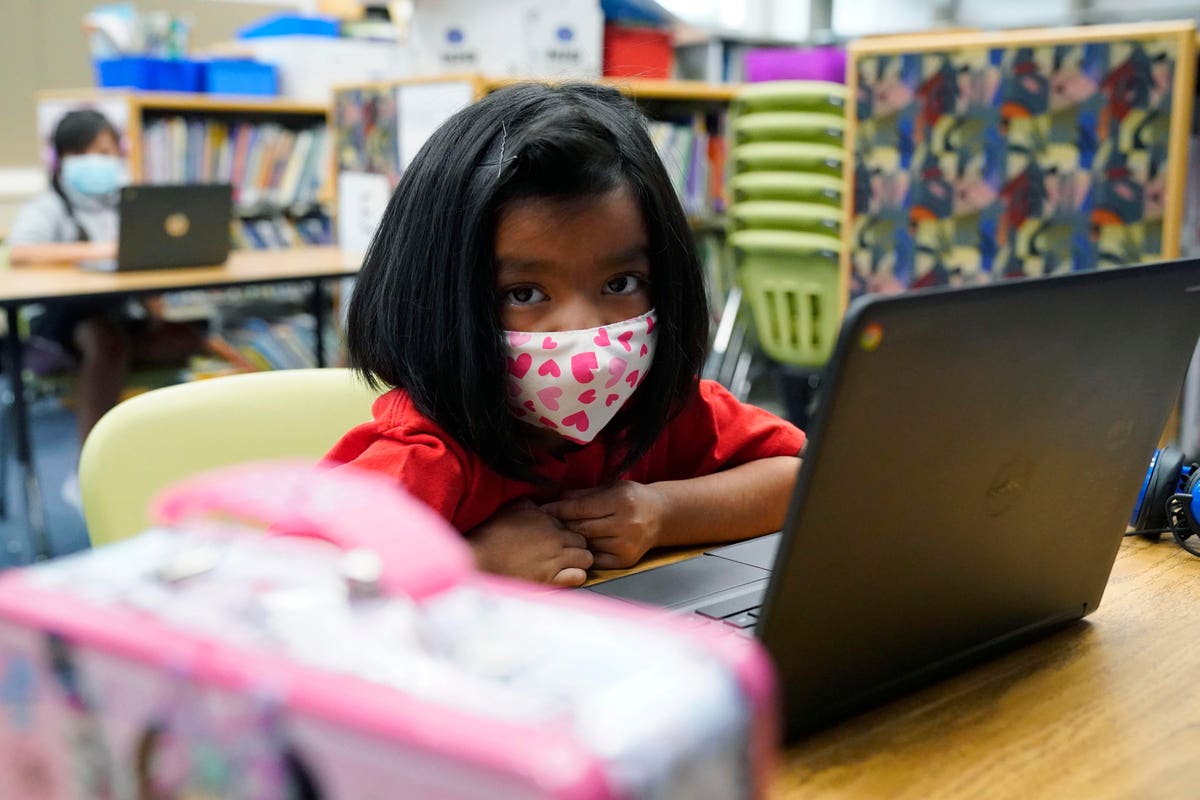
            When schools closed, students were expected to learn at home, remotely, but for many this was a poor substitute for in-class attendance. In the US, schools were one of the last places to reopen. This was strange because, from the very first reports about Covid in early 2020, it was known that the disease was vastly more dangerous to old people than to children. In fact, while children could contract Covid, many had few or no symptoms, hardly any died, and they rarely transmitted the infection to others.

            David Zweig lived in New York state and had two children of school age. He was personally affected. He worked as a freelance writer, and started investigating what was going on with school opening policies. He was struck by a double standard. After government officials opened restaurants and pubs, they wouldn’t allow schools to reopen. It didn’t make sense. Adults mixing with each other were at far greater risk than children doing the same.
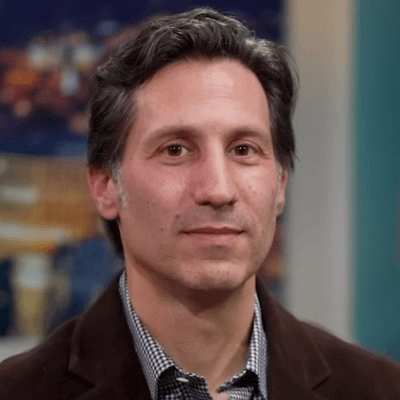

David Zweig

            Zweig started collecting evidence about this. In May 2020, most European governments opened their schools and there was no surge in Covid cases. But US schools remained closed. Zweig thought this was an important story, but the mainstream US media were not reporting it. Not only that, he couldn’t get his story published in venues, like the New York Times, that had published his work before.

            Finally he got his story published in Wired, a popular magazine about information technology issues, and he began to hear from people across the country with the same concerns. He heard from parents, doctors and epidemiologists who were disturbed by policies that were harming children. Zweig followed developments closely, both in his local school district, where he and others made repeated efforts to convince officials to open schools, and across the country.

            He decided to write a book about the US school experience during the pandemic. It’s titled An Abundance of Caution, after a phrase used by officials to justify their stance. His book is a devastating critique of a misguided approach to risk.

            Some may disagree with Zweig, and say that his conclusion — that US schools policy during the pandemic is “a story of bad decisions,” to quote the subtitle of his book — is wrong. That would be difficult, given Zweig’s careful analysis. Yes, he’s a journalist and writer, not a scientist or policy guru, but he doesn’t rely solely on what he learned himself. He also draws on numerous scientific studies and interviews with leading experts. He spares no detail: An Abundance of Caution is a long book, clearly and engagingly written while packed with detail.

            Before the northern summer of 2020, most European schools had reopened, and there was no surge in Covid mortality. US schools remained closed for the remainder of the school year. The question over the summer was whether they would reopen in the autumn. Many did not, and most of those that did used extreme Covid-control measures, including mandatory masking, distancing, barriers between desks, and limited hours of attendance to cater for distancing requirements. In the craziest option, some schools opened for a limited number of students, who sat isolated from each other while they used Zoom, without a teacher in the classroom. Meanwhile, as Zweig reiterates, most European schools were open, often with no such measures to keep students away from each other.
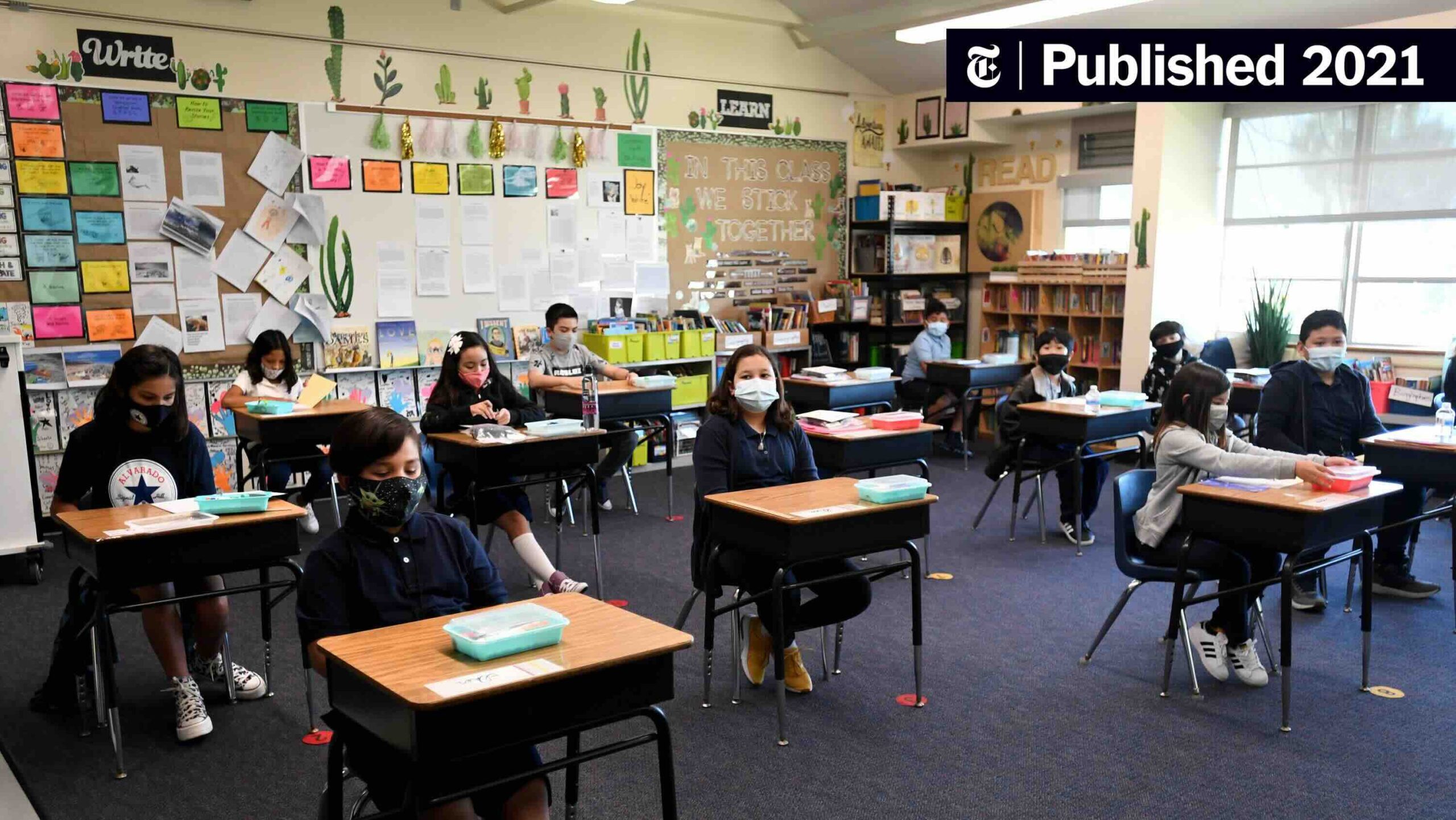
            How could this discrepancy in practices be justified? Mostly, US officials simply ignored the European evidence. US media gave it little or no attention. Some defenders of US measures tried to justify them by saying US circumstances were different. Zweig examines all such justifications and demolishes them.

            “In a time when much of the public had been whipped into a state of fear, a person who claimed that a decision was made ‘out of an abundance of caution’ was absolved from having to provide evidence, or near any defense at all, and rendered any opposition morally suspect.” (p. 115)


       If we accept Zweig’s argument, how can the US policy be explained? He examines several factors. One was the US media’s one-sided emphasis on danger and fear. This was driven by fear-mongering by US public health officials, but Zweig blames the media for lacking curiosity about the evidence behind schools policy. He can say this because, as a journalist himself, he had investigated and written stories. Yet even after his stories were published, other journalists didn’t follow up, instead continuing to parrot official recommendations.

            Another factor was political polarisation. Zweig notes that most public health officials are politically left, called liberal or progressive in US terms. They reacted viscerally against anything proposed by those seen as right-wing. One of Zweig’s chapters is titled, “If Trump is for it, then we’re against it.” When Trump, in 2020, came out strongly in favour of reopening schools, this was enough for liberals to oppose it. The power of this political identification overwhelmed evidence. Zweig and others who pushed for consideration of the evidence supporting schools reopening were accused of being political reactionaries, even of murdering children.

            “In short, Trump’s advocacy for schools to open, ironically, made them less likely to open, simply because he was the one advocating for it. For Democratic politicians, members of the medical and public health fields, and those in the professional classes in general, regardless of their views on the matter, just the appearance of agreeing with Trump was enough to deter them from doing so.” (p. 153)

            The challenge for proponents of reopening was especially great in what are called blue states, where the Democratic Party held government, and the rhetoric of protecting children outweighed any appeal to evidence. One facet of the resistance to reopening was the stance of teachers’ unions, which in blue states came out fiercely opposed to in-person teaching, and there were protests by teachers. Zweig notes how remarkable this was, considering that other occupations, like doctors and firefighters, had done their jobs throughout the pandemic, accepting personal risk as part of their professional obligations. Zweig notes that opponents of in-class teaching condemned states like Florida that had reopened schools earlier, despite evidence that their Covid rates were no higher than elsewhere.
            The alignment between left politics and strong Covid-control measures wasn’t found everywhere outside the US. For example, in Sweden, the right-leaning political party supported stronger measures than the left-leaning government. Zweig concludes that schools policy was not driven by ideological considerations but rather by “tribalism.” In the US, being strongly in favour of keeping schools close signalled membership of the political left. Zweig: “The more fear, the more ‘seriously’ you took COVID, the more virtuous you were and the more you raised your status among other progressives or Democrats.” (p. 163) Because most health professionals were afraid to say anything that sounded like agreeing with Trump. “Public skepticism and criticism, therefore, was largely left to conservative mavericks like Rand Paul.” (160)

            Zweig’s goal is to expose the irrationality of US schools policy, including the willing disregard of evidence. As a side issue, he devotes one chapter to the harms caused by the interruption to participation in classes, which increased domestic violence, self-harm, loss of educational support, isolation and alienation. The harms were worse for those on lower incomes, without remote learning, and where parents needed to go out to work. These harms were readily apparent, yet played no role in schools policy, with statistics on Covid infection and death rates treated as all-important.

            Those who continually cried “follow the science” were actually the ones who based policy on a lack of evidence. There was no evidence supporting the six-foot distancing rule or the use of partitions between students. Not only that, but the premier medical research bodies in the US did not fund research concerning these measures, so investigations were left to others outside the research community.

            “Believing in the effect of interventions — and imposing them on the citizenry — without scientific validation meant we were following a model of public health that was faith-based, as opposed to evidence-based. This was even more bizarre because with European schools and American daycares, where many or most of these interventions were not in place, we had copious evidence that if they offered any benefit at all, it was not meaningful. Decisions were guided not just by faith in the unknown, but faith against observable reality.” (128)

            An Abundance of Caution provides a cogent message about the dangers of obsessively focusing on a specific danger. Zweig notes that the number of US children who died of Covid during the peak years of the pandemic was smaller than the number of US children who died of the flu in some non-pandemic years, yet there were no calls to close schools because of the danger from the flu. Even more children die from traffic accidents, but there are no calls to prevent them from travelling in cars.

            During the pandemic, public health authorities, often joined by political leaders, raised the alarm about Covid, seldom putting it in the context of other harms. There were daily media reports giving figures for the number of Covid cases and deaths, almost never accompanied by figures for cases and deaths from flu, cancer or heart disease. The fixation on Covid harms — which were real enough — led to harms from Covid-control measures being almost invisible. The harms to children from wearing masks, being prevented from socialising, not exercising, and having to learn from screens were apparent to many, but dismissed as unimportant due to the overwhelming concern about Covid.

            Most importantly, An Abundance of Caution offers a warning about political polarisation becoming so serious that people refuse to look at the evidence, instead making decisions based on the stance of their political tribe. Trump may be deluded but that doesn’t mean he is always wrong. According to Zweig, US schools became a symbol of risk, and those saying otherwise were ignored, censored and condemned, ironically by those claiming to “follow the science.” It seems to take a special sort of courage to stand up against those on your own side.

Brian Martin
bmartin@uow.edu.au

How not to make cuts: a university story

by Shoshana Dreyfus and Brian Martin

In June 2024, staff at the University of Wollongong (UOW) were informed that cuts in expenditure were needed to meet a recurrent budget shortfall of tens of millions of dollars. Hundreds of positions were to be cut. University management attributed the shortfall to the student cap on international students imposed by the federal government. In a story about responses to the student cap across the country,

The national president of the National Tertiary Education Union (NTEU), Dr Alison Barnes, said she was “deeply concerned” university managements might be weaponising the commonwealth’s migration policy as an “excuse to threaten staff and students with decisions that damage universities.”

At UOW in 2024, academic staff were targeted (our focus here); in 2025, professional and research staff came under the gun.


Rainbow stairs in UOW. In the background is building 19, with the offices of many of the academic staff who lost their jobs.

            This was a shock: entire academic units were to be “disestablished.” Rumours abounded as to the reasons for the sudden budgetary problems. Were they due to bad investments, poor planning or incompetence?

The metric

To decide what and who to cut, UOW management relied on a consulting firm, KordaMentha. It came up with a seemingly straightforward measure — which can be called a metric, formula or criterion — for assessing the viability of academic units: dollar cost per undergraduate student enrolled. It was simple enough, but woefully inadequate considering all the contributions of academics: in particular, research and administration were not considered, though a standard academic work allocation is 40% teaching, 40% research and 20% governance.

            For decades, academics have been encouraged to apply for research grants, especially prestigious ones from the Australian Research Council. Most of those seeking promotion have listed research as their primary strength, with grants received being a key sign of performance. In research-intensive units, many staff had been promoted to associate or full professor (levels D and E), reflecting their research achievements. Suddenly, the new metric ignored all this, seeing viability only in terms of undergraduate enrolments and associated salary costs. In other words, 100% of academics’ value was being judged on only 40% of their work – their teaching. A unit with high research productivity, in which many staff had accordingly been promoted to D and E, but with modest undergraduate enrolments, would be judged as overstaffed.

            This was the fate of human geography, one of the star disciplines in the university, with a stellar research reputation. It was slated for closure. According to a story in Wollongong’s daily newspaper, the Illawarra Mercury:

Six months ago, Professor Chris Gibson was the toast of the University of Wollongong after securing $3.6 million in federal funding for a project on how the Illawarra would adapt to a clean energy economy. Today he’s staring down the barrel of losing his job after UOW’s job-cutting team identified his discipline as not profitable enough.

Also under the gun were units in the humanities, mathematics and engineering.

            In some cases, after senior academics, D or E, had left, positions were advertised at level A, associate lecturer, a teaching-intensive post with little opportunity for research. Research performance has been disregarded in place of low-cost teaching.

            Additionally, there was a curious anomaly in the metric: it didn’t seem to account for HECS income or the relative cost of different disciplines. As a result of government decisions, students in humanities disciplines were paying more for their degrees than those in science and engineering, so logically it might seem that humanities disciplines needed fewer students per academic to be “cost-effective.” Furthermore, the internal funding model used to allocate funds to faculties strongly favoured technical disciplines, some of which received twice the support from UOW funds per student compared to humanities disciplines. So far as anyone could determine, none of this entered the metric. It seemed that the cuts targeted units that brought in more HECS funding for less expense. The metric was presented as objective even though it was built on arbitrary assumptions.

            There was another problem, more pressing and frustrating: many of the figures used to calculate the metric were wrong. Management had told staff they would use a particular metric but when it didn’t yield the cuts they wanted, they changed the metric with no warning and no accounting for why. Additionally, some of the staff numbers were plain wrong, for example not taking into account people on leave, and some enrolment figures were also incorrect. During the subsequent “consultation” that lasted several months, academics carefully examined the figures provided by UOW change managers and provided detailed lists of inaccuracies, such as the inclusion of wrong classes and wrong enrolments. Yet at the next iteration, the same wrong figures were presented. There seemed to be no respect for accuracy.

            Management repeatedly asserted that the metric was applied fairly, without targeting particular units. Yet academics discovered several instances in which two units had identical figures according to the metric, but only one was to be closed.

            And there was something deeper: a lack of notice. The metric was sprung on staff without any warning. Imagine a different scenario in which management prepared in advance for possible cuts, informing staff that every effort would be made to avoid job cuts but that if they had to be made, a metric would be used — and staff were consulted about and then told what it would be. In such a scenario, people would know whether they would be at risk and plan accordingly. In units overstaffed according to the metric, efforts might be made to boost student enrolments, and some staff might choose to seek work elsewhere. This was not to be. No preparations could be made because the metric came out of nowhere and dealt with only one part of academic work, teaching.


Michael Still, UOW Chancellor

The process

Use of a flawed metric was bad enough. Not correcting errors in it was further frustrating. Then there was the process of negotiation. From the beginning of the “change process,” staff were invited to contribute their ideas, but this was only after they’d been told their jobs were going. In any case, it turned out that most ideas were ignored, so the consultation seemed like a sham.

            Because of the enterprise agreement, negotiated with the unions on campus, certain processes must be followed by law. But there is no legal requirement that these processes have to be meaningful or carried out genuinely. It seemed to many staff that management was just jumping through mandated consultation hoops.

            Academics are skilled practitioners of their disciplinary expertise. Among the experts on campus are some who have studied change management and know best practice. However, these local experts were never consulted by management.

            There was never any suggestion by management of examining a different path. This contrasted with the process of expenditure cuts during Covid when the local NTEU branch proposed an alternative way to make cuts: reducing the salaries and numbers of the senior executive, thus making impressive savings while maintaining operations. During the 2024–2025 cuts, options along this sort of line remained off the table.

            For years, the skyrocketing salaries of senior Australian university executives have been a source of grievance among university staff.

That has been true at UOW. During the cuts process, a proposal was made to add another highly paid position to the executive team. After some bad publicity, the proposal was withdrawn.

            The interim Vice Chancellor, John Dewar, was criticised for a conflict of interest. According to a 5 February 2025 article in the Illawarra Mercury:

Documents revealed under freedom of information laws show UOW Chancellor Michael Still had known interim V-C Professor John Dewar would continue to work one day a fortnight for KordaMentha — as early as June last year.

            Yet when asked about this apparent conflict late last year, UOW had repeatedly responded that Professor Dewar was on leave from KordaMentha (KM), where he was a partner.

            He had actually been doing one day a fortnight unpaid “leadership” work with KM’s higher education consultants, while working a nine-day fortnight for UOW for the pro-rated equivalent of a million-dollar annual salary.

Reciprocally, KM was also in a conflict of interest by consulting for the university whose VC was a partner.


John Dewar, with the university library in the background

The impact

In Australia, a redundancy is said to occur when an employer no longer needs a job done, for example due to restructuring. When the employer gives a worker the option to leave in exchange for a payment, it’s called a voluntary redundancy or VR, in contrast to an involuntary or forced redundancy, which means being fired.

Every member of university staff was offered a VR. Many decided to take one, especially those in units targeted for reductions or elimination. Indeed, it seemed that everyone who lost their job obtained a VR, even when their departures were far from voluntary.

            Languages and linguistics were hard hit. Initially, all disciplines within this program (English, French, Japanese, Mandarin and Spanish) were to be shut down. Students majoring in languages were to be left without options, unlike the usual process of teaching current students to the end of their degrees. As negotiations proceeded, a key complaint was that the International Studies program would be left without any language component, so a small amount of teaching in French, Spanish and linguistics was salvaged. Mandarin and Japanese were closed down entirely; they just happen to be the languages of Australia’s two biggest trading partners. The retention of some Spanish and French was only first and second year subjects; students partway through their degree cannot complete a major because all third-year subjects in these languages have been cut.

            Staff and student morale plummeted. The cuts were bad enough, but even worse was the feeling of bad faith engendered by management’s unilateral imposition of an arbitrary metric. Many hard-working and productive academics, committed for years or decades to their professional responsibilities, left their jobs with a bad taste in their mouths. This could not be a good way to promote the university’s reputation.

            Many of those who took a redundancy were senior high-profile researchers with large nationally competitive grants, which they took to other universities, meaning a loss in research, research expertise, grant income and projects with local, regional, national and international significance.

Resistance and lessons

The UOW cuts process reflected decades of gradually reduced academic participation in decision-making and the triumph of managerialism, something occurring across Australia and some other countries. Although Australian universities never approximated the ideal of a community of scholars, even the vestiges of such a vision have been squeezed out in a seemingly relentless move towards a factory model of education. At UOW, the union has long been strong compared to most other comparable universities, yet its efforts could do no more than limit the damage. One of the academics made redundant was the president of the NTEU branch.

            The union took a case to the Fair Work Commission. For this, it was necessary to undertake a forensic analysis of documents provided by management, which was an arduous task. Although Fair Work usually supports employers, the union had some victories because UOW management had been so blatantly contravened the enterprise agreement.

            The union’s use of official processes was a safe approach given that Australia’s industrial relations laws restrict industrial action to limited circumstances. Union members also promoted publicity and built alliances in the wider community. The Illawarra Mercury ran many good stories presenting the views of the union and disaffected staff as well as university management.

In November 2024, staff and students participated in protests.

            Many academics were not directly affected, their units not being on the target list. Still, many of them supported their at-risk colleagues. Some of those in the firing line acquiesced by taking voluntary redundancies and getting on with their lives. Others did what they could, through the negotiation process, to contest the changes, including by pointing to flaws in the figures used in the metric.

            Although UOW management claimed in meetings to follow the numbers without favouritism, there was much activity behind the scenes, with academics using connections with management to change decisions. There were small victories, a position saved here, a unit retained in reduced numbers rather than abolished. Some academics, whose jobs were not at risk, did what they could using back channels to protect colleagues at risk. Others apparently did deals that saved their own positions by sacrificing colleagues in their own unit or a related one.

The Union met with local federal Labor politicians Alison Byrnes and Stephen Jones, presenting their case and a request for some action on the part of the federal government, but to no avail.

            Overall, the cut story is one of unbridled management power taking little notice of scholarly expertise, giving no consideration to alternative paths, and failing to plan for a fair and compassionate process in a time of financial stringency. The core values of universities include a commitment to evidence, rationality and dialogue. The cut negotiations, in trashing these values, were insulting and galling to the academics involved. The mental health toll on staff, both those made redundant and those left behind, has been heavy.

The wider picture

Wollongong was not the only university affected by cuts. News reports revealed similar processes at several other universities, including the Australian National University (ANU) and University of Technology Sydney (UTS), among others. The processes imposed by university managements were similar in two important ways. One, management relied on external consultants, to which they paid eye-watering fees, for guidance about what units to abolish or reduce in size. However, the external consultants were different in each case: Nous Group at ANU and KPMG at UTS. Strangely, the criteria used by these different consultants were different. At UOW, staffing costs per student served as the central criterion, whereas at UTS, it was research output.


Protest against cuts at ANU

            Given that universities have many knowledgeable and competent staff capable of analysing budgets and formulating strategies, there would seem to be little need to pay external consultants huge fees for reports that show ignorance of what makes universities effective as educational institutions. This leads to suspicion that when university managers couldn’t find internal justifications for their preferred policies — to slash staff numbers and keep managers in charge — they turned to consultants willing to provide their desired recommendations.

            At the different universities, despite using different consultants and different criteria, there seems to be a pattern: humanities and social science disciplines have been hardest hit. The apparent targeting of the humanities has led some to suspect they are being targeted because they teach critical thinking that might be turned against the powerful. Few humanities scholars engage in political issues themselves, even in public commentary, so presumably it is their teaching, or the students they teach, who are seen as a threat by their political masters.

Participatory budgeting?

Could university finances have been handled differently? If cuts need to be made, one option is to agree on criteria well in advance of any financial crisis, so everyone knows how decisions will be made. Another option is collaborative decision-making. Rather than management implementing cuts with only a façade of consultation, budgetary challenges could be turned over to those affected, who are tasked to develop ways to increase income and/or manage savings. This might unleash lower-level infighting but might also enable the considerable skills of university staff to be turned to finding equitable ways to cope with austerity.

            The problem is that collaborative decision-making means top managers have less power and control. They would see this as a threat. Participatory budgeting has been used successfully by cities. Why not at universities?

Acknowledgements

We thank the many colleagues who have shared their stories and struggles. Adam Lucas, Fiona Probyn-Rapsey and Andrew Whelan offered many astute comments on drafts. Kelly Gates,
Andrew Norton and several others gave useful feedback.

Further reading

For many stories about the UOW cuts, see https://www.facebook.com/unionuow/.

On Australian university use of consultants, see Adam Lucas and James Guthrie, “Feeding the beast: the use of private consultants by public universities and its implications for tertiary education.”

On the use of consultants in the Australian public sector generally, see Adam Lucas et al., “The Australian public sector and the PwC affair.”

Authors

Shoshana Dreyfus is an Honorary Associate Professor in the School of Humanities and Social Inquiry at the University of Wollongong. She was in the English language and linguistics program prior to it being gotten rid of. A modicum of this program now exists as part of the Major in Global Communication. Shoshana’s research focuses on language and power (e.g. here), the nonverbal multimodal communication of people with intellectual disabilities (e.g. here), genre analysis (e.g. here)  and activist discourse (e.g. here).

Email either shooshi@uow.edu.au or shooshid9@gmail.com

Brian Martin is emeritus professor of social sciences at the University of Wollongong. Web: https://www.bmartin.cc/; email bmartin@uow.edu.au

Campus sex — not always sweet

Imagine that you are an undergraduate, a young woman. In one class, you are in awe of the professor. He is so knowledgeable, erudite, wise, suave. And there’s more. He seems to take a special interest in your development. You meet — and become lovers.

            Is there anything wrong with this?

            Rose had a relationship with her professor, Samuel. After they parted and went their separate ways, she still cared for him, believed in him. She was tolerant of his next relationship, with Ellen, also an undergraduate, essentially a younger version of Rose herself. She got along with Ellen.

            But then Samuel parted from Ellen. When Rose found out about Samuel’s next lover, Sienna, it was different. Rose felt — what? Betrayed? Why was she so upset? And why did her relationship with Samuel, years down the track, now feel wrong?

            Rose’s story is one of several in a new book by Madison Griffiths titled Sweet Nothings. Griffiths had her own experience, as a student with her tutor, but she doesn’t dwell on it. Her book focuses on the experiences of four women who, as undergraduates, had relationships with their university teachers or mentors.

            Griffiths’ writing is so elegant, so evocative, that I find it almost unfair to write about it in prosaic terms. She does not so much tell each of the four women’s stories as give the reader a feeling for what it was like for them. This is an emotional journey into the hearts of young women smitten with academics, in a context where close relationships can turn out to be damaging.

            Griffiths, in pursuing her project, eventually made contact with well over a hundred women in similar situations. She chose just four to explore in depth in her book, but it is clear that she draws on what many more told her. They are all from Australian universities, especially in Melbourne. It’s easy to conclude that this is a widespread pattern across academia.

            Two other specifications are important. Griffiths focuses on consensual relationships, in which the young women agreed to, sometimes pursued, close personal connections with professors. She sets aside the problems of sexual harassment and assault, which are crucially important, to address a much thornier issue, something legal yet problematic. Most of the relationships she came to know about were sexual, aside from one better termed romantic, but which raises similar concerns.


Madison Griffiths

            So what is wrong with close personal relationships between consenting adults, one an older and accomplished man and the other a young female student? Griffiths provides an answer that emerges from the stories of Rose, Cara, Elsie and Blaine. The problem is the impact of these relationships on the women. They came to university to learn and looked to their teachers for guidance on their intellectual journeys. As Griffiths bluntly puts it, “no student goes to university to fuck their professor.” The women’s intellectual journeys were hijacked as they were turned into bodies for the gratification of senior scholars. And not just bodies. The men who groomed them were also inside their minds, not in a helpful way.

            Griffiths provides context by describing the women’s encounters — and her own — with teachers in high school, and by telling about occasions in which teachers behaved as she thinks they should, helping and taking care not to exploit. These examples provide telling contrasts with the stories of relationships that seemed alluring yet became debilitating.

            Griffiths learned the names of the male academics involved and followed them online, but did not pursue interviews. She discovered that despite damaging the lives of the young women ostensibly in their care, the men seemed to have suffered little or no detriment in their careers. A few of the women, after deciding they had been abused, submitted formal complaints to their universities. But so far as they could learn, nothing happened: their complaints disappeared into bureaucratic black holes.

Same story, a different angle

My involvement with these issues has been quite different. It provides a more banal perspective than Griffiths’ elegant investigation into emotions and meanings.

            In the early 1980s, I first heard about sexual harassment — including intellectual grooming and exploitation — and then joined the sexual harassment committee at the Australian National University when it was set up in 1984. On moving to the University of Wollongong in 1986, I joined its newly formed sexual harassment committee. For years, we focused on sexual harassment, writing articles and giving talks. Then, in 1990, there was a thunderclap. Two students accused a tutor of rape, and the Vice Chancellor released a statement warning about staff-student relationships. (The tutor was convicted and went to prison.)

            Our committee decided to look at staff-student sex. We proposed a register of staff-student relationships, causing a great stir on campus, with much opposition expressed on an early electronic forum. As part of our efforts, we produced a four-page leaflet on staff-student sex and I wrote an article published in The Australian.

            Back then, we saw the problems as falling into two categories: conflict of interest (COI) and abuse of trust. COIs arise when a person making academic decisions has a close personal relationship with someone affected. Griffiths’ stories contain many examples, such as when a teacher marks the work of a student or gives them a recommendation. But some staff-student sexual relationships do not involve a COI. One of my colleagues taught a class in which her husband was a student; she was careful to ensure that he was not in her tutorial and marked none of his work. In other cases, staff and students from different parts of the university have relationships where COIs do not arise.

            So far, so good. But there was something else, less easy to pin down: abuse of trust. As we described it, “An abuse of trust occurs when the trust associated with a professional relationship is destroyed through actions, or requests for actions, of a non-professional nature.”

            Several others on our committee were aware of egregious examples, such as the lecturer who had been in a new relationship with one of his undergraduate students every year or two for decades. We knew of young students who dropped out of their studies after a relationship like this broke up.

            Abuse of trust is at the core of Griffiths’ concerns. On our committee, we had an inkling of how this affected students. Griffiths has provided a guide deep into the emotions of students who fall in love with their teachers and learn to regret it or become ambivalent, who are deeply and complexly damaged.

            At the University of Wollongong, administrators implemented a policy on close personal relationships, focusing on COIs. Abuse of trust is hard to police. And a policy does not do much to affect behaviour unless there is publicity and agitation, of which there has been little.

            Our committee was technically a sub-committee of the Equal Employment Opportunity Unit, a small group with usually one undergraduate, one postgraduate and two academics in addition to two professional staff from the EEO Unit. The others on the committee had many more stories to tell than me, and I learned a lot. A few years later, a new head of EEO abolished the sub-committee, ending our efforts. After this, trying to organise a group proved difficult. Cut off from well-connected colleagues, I knew little about whether behaviours had changed. Alas, from Sweet Nothings, it is apparent that COIs and abuse of trust have continued to plague universities.

            Even back then, over 30 years ago, I was sceptical of policies and procedures providing a useful response. The key, I thought, was greater awareness. In subsequent research, I found evidence that formal procedures, what I call official channels, often serve to dampen outrage from injustice. And that is just what the women reported to Griffiths. Their complaints disappeared into a procedural swamp, and the offending academics went unscathed, their careers unimpeded.

            Instead of turning to official channels, with their false promise of justice, a more effective response is to mobilise support, raise awareness and form coalitions. Griffiths has done much along these lines by talking with so many women ensnared by professors who let their urges overwhelm their professional obligations. And she has done an inestimable service by giving voice to the women’s feelings, and her own, in Sweet Nothings.

Brian Martin
bmartin@uow.edu.au

Thanks to Marina Granato, Julia LeMonde and Erin Twyford for useful comments.

Target: outspoken professors

You’re an academic, and you’ve been charged with misconduct. A university committee will be carrying out an investigation. You’ve done nothing wrong and have evidence to prove it. Should you be worried?

            If you’ve just read the new book Professors Speak Out, edited by Nicholas Wolfinger, you will have reason to be terrified. The book’s subtitle, The Truth about Campus Investigations, is slightly misleading. These are personal stories about only certain sorts of investigations, namely ones designed and/or run with an agenda to harass, discredit and get rid of an academic seen as troublesome.

            More than one contributor refers to the process they experienced as being a kangaroo court, but these stories are all from the United States or Canada. They reveal investigations as a tool of reprisal rather than a search for the truth or an avenue for justice. Reprisal for what? That’s the interesting part.

            These cases are recent, most within the last decade, and many relate to alleged transgressions concerning race, gender and religion. For example, professor-of-English Dennis Gouws writes about “three occasions when some faculty members and administrators at my college took exception to me because I disagree with the current women-centered orthodoxy in higher education” (85).

            Only a few contributors provide such a succinct summary of their experiences. These are highly detailed accounts, and in some cases it’s hard to see what triggered the attacks. Yet, undoubtedly, these stories give only a glimpse of the full complexity of what happened.

            Wolfinger happened to end up with contributors from diverse backgrounds and perspectives. They include scientists, social scientists and artists; distinguished scholars and non-tenured adjuncts; anarchists and political conservatives; and professors of various national origins. Despite this variety, one recurring feature stands out: unfair treatment.


Nicholas Wolfinger

            Health professor David Wiley writes, “I was asked to resign before being shown the evidence against me and the deadline for my resignation (March 26, 2018) occurred one day before we were given a copy of the final report” (156). Education professor Stephen Porter writes, “Going through the grievance process made me aware of how these proceedings are stacked against the accused faculty member, and how universities willingly ignore their own regulations” (277).

            Given story after story of prejudice and procedural abuse, readers might wonder whether anyone can survive a hostile investigation. Thankfully, Wolfinger includes several cases in which targeted academics retained their jobs. His own case is one of them. But the survivors were not unscathed. The stress, financial cost and disruption to collegial relationships were enormous in nearly every case. Even for those who were cleared, being investigated was no walk in the park. As philosopher Mark Mercer comments, “The process, as any faculty member who’s been targeted knows, is part of the punishment” (261).

            As readers, we hear only from the targeted academics and not from their accusers. This is inherently one-sided. Some of the contributors come across as outspoken, even abrasive individuals who might well have rubbed their students and colleagues the wrong way, perhaps even deserved what they got. After all, shouldn’t getting along, not rocking the boat, take precedence over academic freedom? That might be the feeling motivating administrators who weaponise formal procedures.

            I might have been sceptical about some of the accounts, except I had been through something similar myself. Following a five-minute incident between two of my colleagues, the dean asked the head of the equal opportunity unit to investigate, and everyone in our unit was called in for an interview. We were assured that this process was to heal rifts, but then I discovered there were many findings against me. There had been no complaint against me, nor was I given an opportunity to respond to adverse claims. I hadn’t even been on campus when the incident occurred.

            As soon as I realised what was happening, I went straight to the president of our branch of the academics’ union, who got the investigator’s report thrown out. Until then, the dean was ready to act on the report’s findings. But damage had been done to several of my colleagues and to our unit. I was one of the lucky ones, because nothing more serious transpired, but it gave me an inkling of how traumatising such investigations can be, and how completely unfair.

            There is a longer history of cases predating Wolfinger’s efforts. Many of them can be captured by the term mobbing, which is collective bullying. Kenneth Westhues is the leading figure in the study of mobbing in academia. Drawing on his own experiences at the University of Waterloo, in Canada, he wrote a book titled Eliminating Professors. He followed this by writing and editing books about academic mobbing in which contributors told their stories, setting up a website with a vast number of stories and resources, and arranging and participating in conferences on mobbing.

            Though Wolfinger doesn’t use the term mobbing, many of the cases in his book fit the pattern highlighted by Westhues and other mobbing researchers. Indeed, the campus investigations showcased in Wolfinger’s book can be considered tools used in a process of mobbing. Several contributors report various forms of harassment aside from investigations. Law professor Jason Kilborn writes, “One thing I have learned in this situation is, once you are marked as an ‘undesirable’, the petty persecution never ends” (239).

            There is another context: suppression of dissent. Decades ago, I investigated cases in which environmental researchers and teachers were targeted. Some of them had articles blocked, others were denied tenure. Subsequently, several colleagues and I edited a collection, Intellectual Suppression, which included stories about the harassment of dissident academics in Australia and other countries. Suppression of dissent is what happens regularly to whistleblowers: reprisals for speaking out about problems at work.

            Wolfinger has provided a service in securing contributions that so vividly, often horrifyingly, highlight the way academics can be targeted: harassed, discredited and, in many cases, eliminated. This can be usefully seen as the latest instalment in a much longer history of cases of mobbing and suppression of dissent. Stephen Porter, in a postscript, nicely sums up how universities can be unsafe places: “Colleagues will team up with administrators to target faculty who are in any way outspoken, whether by espousing wrong political views, or speaking up about sexual harassment or research misconduct; administrators will ignore university regulations whenever it suits them; absolutely no one will have your back if you end up in their sights.” (387)

Brian Martin
bmartin@uow.edu.au

Thanks to Marina Granato and Alison Moore for helpful comments.

Controversy as a teaching tool

Students like learning about controversies, but there are some traps.

Decades ago, in my first year of full-time university teaching, I taught “The environmental context,” which was about the social aspects of environmental issues. Some students in the class were doing an environmental science degree; others were doing an arts degree. To appeal to both sorts of students, I built the class around several controversial topics with both scientific and social dimensions.

            One of them was nuclear power. I was an opponent, and so were nearly all the students. To challenge them, one week I invited an experienced figure from the Australian Atomic Energy Commission to give a pro-nuclear guest presentation. Several of the students tried to challenge him, but they could hardly dent his arguments.

            From this experience, I learned several things. One was that controversial topics gain students’ interest. Conflict is well known to stimulate interest. Because conflict attracts audiences, it is one of the “news values” journalists and editors use to decide what is newsworthy. In this respect, students are just another sort of audience.

            But there was a problem with nuclear power as a topic. Most of the students already knew they were opposed to it. The trouble was they felt they didn’t need to do anything further once they knew which side of the controversy they supported. They hadn’t studied pro-nuclear arguments, so the pro-nuclear speaker out-argued them.

            I watched this with some amusement. To develop rebuttals to pro-nuclear arguments, I had studied them in depth. I could readily see possible challenges to our visiting speaker, but kept quiet, which worked out well. The students learned a lesson.

            There was another problem. Many students try to figure out their teacher’s viewpoint. When doing assignments, they say what they think their teacher wants to hear. This is instrumental behaviour to get better grades. The trouble was that they knew I was anti-nuclear, so that’s the perspective most of them took in their assignments.

            I told them that if they wanted to support their views effectively, they needed to study the views of opponents. But few took this to heart. It’s pretty hard to spend hours poring over views you disagree with. It’s well documented that most people prefer to read about views that reinforce their own.

            To counter this, in a later year I introduced a different sort of controversial issue: fluoridation, the process of adding the element fluoride to public water supplies to reduce tooth decay in children. At the time, Australia was highly fluoridated but there was little attention to the issue. The students were in a quandary. They knew the official line: fluoridation was good. But they weren’t sure what an environmental perspective might be.

            Several of them tried to figure out my view, namely whether I was pro or antifluoride. I told them I didn’t have a strong view — I was just studying the debate. That was true, and conveniently it meant students couldn’t decide how to please me, their teacher, by adopting my view. Because the students didn’t all agree with each other, we had some stimulating discussions in class.

            Years later, I taught a class titled “Scientific and technological controversy.” I found a good way to stimulate student interest. They worked in groups to investigate controversies. They could choose who to work with, and each group chose what controversy to study. This general approach worked well in other classes, including ones where disagreements were not so salient.

Marking

I’ve always wanted to treat students fairly, but it’s not easy to avoid bias. When marking assignments, my judgement could be unconsciously influenced when I knew whose essay I was marking. I found a good way to counter this. I asked the students to put their student numbers on their essays but not their names. After marking all the essays, I could match each one to the student’s name.

            There remained a different problem. If students thought they knew what I wanted to hear — for example, being anti-nuclear — they might adapt their assignments accordingly. Some of them told me they did this in other classes. The solution was to get someone else to mark their assignments, such as a different tutor in the same class.

            One problem remained for which there was no obvious solution. On many controversial topics, there is a dominant perspective and a dissident perspective. Examples include fluoridation and vaccination. Few students will take the risk of supporting the dissident perspective unless they know whoever marks their assignments will be sympathetic to it.

Goals

Thinking about what students should learn about controversies raises a more general issue: what should anyone know about controversies? Time is limited, and it’s impossible to study lots of controversies in depth. Even to get to the bottom of a single one requires a major effort. What can be done?

            Some people take a shortcut. They adopt the position of authorities or the groups with the most power and influence. This makes sense in many cases. For example, is the universe expanding? Nearly all cosmologists say so, so why not believe them? But it can be useful to know that there are a few dissidents, ones with credentials and publications and university positions. One option is to accept the standard position but be open to being wrong.

            Whether the universe is expanding is contested mainly within scientific circles, and has little relevance to everyday life. It’s different with issues like climate change, abortion, nuclear power, euthanasia, GMOs and vaccination. These have obvious social, political and health implications. They raise ethical concerns.

            In each of such issues, there is evidence on each side, and sometimes there are multiple “sides.” But there is something extra. Many of those involved have a stake in the outcome. Sometimes it’s jobs and funding. Almost always, it involves status. And it involves psychological commitment. If you’ve been campaigning for or against fluoridation for years, it’s hard to admit you’ve been wrong.

            There’s so much to learn about controversies. Studying them is one way to do it. Another is to get involved, taking a side and trying to engage with those on the other side. If students ever do this, they’ll learn far more than from any class.

Brian Martin
bmartin@uow.edu.au
Publications on scientific and technological controversies

Thanks to Olga Kuchinskaya, Julia LeMonde, Alison Moore and Erin Twyford for useful comments.

In praise of scholarly values

Even for a critic of academia, scholarly values are worth defending.

In the half century of my academic career, I’ve repeatedly studied and exposed shortcomings in academic systems and behaviour. Problems include bias, misrepresentation, suppression of dissent, and unquestioning service to vested interests such as the military. This is not to mention bitter and destructive interpersonal and organisational politics. It is safe to say there are lots of negatives in academic life.

            In recent years, though, I’ve come to a greater appreciation of scholarly values. These values include respect for evidence and arguments, willingness to address the views of others, and the freedom to investigate and speak out about sensitive topics.

            Much of my research has been about public scientific controversies such as over nuclear power, pesticides and fluoridation. These provide a window into some of the most extreme behaviour by researchers, administrators and outside groups. However, it was only when I started studying the Australian vaccination debate that the importance of scholarly values really hit home. (This was years before Covid came on the scene.)

Ad hominem unlimited

Let’s start with respect for evidence and arguments. Scholars, ideally, engage with each other’s work by addressing, contesting and debating facts, methods, theories and perspectives. It is widely considered improper to openly criticise researchers as individuals. Behind the scenes, in private conversations, many researchers, including top ones, can be harshly critical of their opponents. Ian Mitroff in his classic book The Subjective Side of Science found that, in private, leading moon scientists would make derogatory comments about researchers with contrary views. However, personal attacks in the open literature are rare. Most scientific disputes are carried out in a seemingly respectful fashion.

            Outside scholarly forums, things can be much rougher. In the Australian vaccination debate, personal slurs are commonplace on blogs, Facebook pages and in some mass media outlets. Enough people in the debate have been sufficiently nasty to degrade the tone and deter others from participating.

            Although I engaged in the debate as a sociologist and defender of free speech, I became a regular target of ad hominem comments. Here’s a typical one: “I’d be embarrassed for a schoolkid that lazy or stupid. For a professional scholar, it’s gobsmacking. What a moron.”

            I get a laugh out of comments like these but abuse is not always funny. Many prominent women commentators regularly receive threats of rape or murder. This is remote from scholarly decorum.

Point-scoring

Many partisans in scientific controversies identify some mistake or shortcoming in the opponent’s case and seize on it, as if a single mistake or logical flaw invalidates the entire case. For example, pro-vaccination campaigners regularly refer to alleged fraud by British gastroenterologist Andrew Wakefield, implying that this discredits all criticisms of vaccination. For serious scholars, using this sort of point-scoring technique should be an embarrassment. It would be like discrediting a social theory because a leading theorist allegedly plagiarised.

Presenting contrary arguments

In philosophy, it is common to carefully present the arguments supporting a contrary view, critically examine them and, if possible, demolish them in terms of logic and evidence. This approach can be applied in examining controversial and provocative topics, as in Aaron James’ book Assholes.

            In many public controversies, this willingness to engage with the opponent’s arguments is sadly lacking. In the vaccination debate, each side presents evidence and arguments supporting its own position and attacking the opponent’s position. I am yet to discover a partisan on either side who presents the opponent’s argument in a fair fashion. The usual approach is to say, “Here are my strong points and there are your weak points,” with no acknowledgement of one’s own weak points or the opponent’s strong points.

            There is a reason for this. In polarised controversies, making any admission of weakness may be seized upon by opponents and used relentlessly. Many campaigners never admit a weakness or a source of bias, instead focusing exclusively on the weaknesses and biases of the opponent. In contrast, a good scholar should be willing to acknowledge weaknesses and to be open about possible sources of bias, in what is called reflexivity.

Academic freedom

Scholars like to imagine they can undertake investigations into controversial areas and be protected from adverse consequences. The reality is that few scholars ever tackle really sensitive topics, knowing it may be career suicide to challenge orthodoxy. Nevertheless, despite shortcomings in practice, freedom of inquiry remains a crucial academic value.

            Threats to academic freedom have come both from outside vested interests, such as big business, and from university administrators. With the advent of social media, it is now easier to express displeasure with researchers and their work, and easier to mount campaigns against academics whose views are unwelcome.

            After Hurricane Katrina in 2005, hurricane researcher Ivor van Heerden criticised the Army Corps of Engineers. He ended up losing his job at Louisiana State University.


Ivor van Heerden

            Canadian political scientist Tom Flanagan, identified with the conservative side of politics, was attacked online by the circulation of an extract from a talk he gave, surreptitiously recorded and misleadingly labelled, to discredit him personally. As recounted in his lucid book Persona Non Grata, the campaign had a damaging effect on his work, while his university did little to defend him.

            University administrations depend on their public reputations for recruiting high-quality staff and obtaining income via donations and student enrolments. As a result, they take a risk in standing up to campaigns against stigmatised scholars.

Scholarly values, another look

Having observed up close some online campaigns against dissident scholars, it seems to me that the rejection of scholarly values is less a betrayal than a disregard. In much political campaigning as well as in public scientific controversies, many members of the public are more concerned about winning by discrediting opponents than they are in having a rational conversation about an issue of social importance. Scholarly values can be boiled down to encouraging engagement on the basis of respectful interactions that address the issues. This means avoiding, when possible, making abusive comments, manipulating evidence and arguments, or trying to silence opponents.

            Though the academic system has many shortcomings, I realise now that many of them are due to a failure to live up to the values of respectful engagement and freedom of expression that are widely given lip service. The degraded commentary in many online confrontations should serve as a reminder of the positive aspects of academic discourse.

Brian Martin
bmartin@uow.edu.au

Anonymous authorship

The problems with authors being anonymous may not be what you think.

My friend and collaborator, the late Steve Wright, worked to expose and challenge repression technology. For many years, he regularly visited “security fairs” where merchants tout wares for controlling populations such as electroshock batons, guillotines, acoustic weapons and surveillance equipment. They sell technology for torture and social control to governments of all stripes, including known human rights violators.

            Steve would talk with merchants, collect sales brochures and covertly take photos. Back home in Britain, he passed information and photos to human rights groups such as Amnesty International. In addition to articles and reports using his own name, he sometimes used the pseudonym Robin Ballantyne. For Steve, a degree of anonymity was vital, especially when visiting security fairs in repressive countries such as Turkey and China.

            I thought of Steve’s experiences when, a couple of years ago, I read about the new Journal of Controversial Ideas that explicitly allows authors to use pseudonyms. This is to enable authors of contentious articles to avoid reprisals by colleagues and others. How sensible, I thought.

            Then I read comments hostile to the journal’s policy on anonymity. Helen Trinca, associate editor of The Australian and long-time editor of its higher education supplement, penned an article titled “As ideas go, hiding behind an alias is as false as they come.” She lauded Peter Singer, co-editor of the new journal, for bravely proposing his own challenging ideas. She said, though, that he wouldn’t have had such an impact if he had used a pseudonym: “the likelihood that a fresh and different idea will actually spark a conversation is reduced when it’s put forward by someone who cannot be seen, who is not known, and who has no profile to Google or CV to check.”

            Philosopher Patrick Stokes, in an article in The Conversation, presented the pros and cons of anonymous authorship. In conclusion, he asked,

“Are you, in the end, making life better for other people, or worse? In light of that standard, a pseudonymous journal devoted entirely to ‘controversial’ ideas starts to look less like a way to protect researchers from cancel culture, and more like a safe-house for ideas that couldn’t withstand moral scrutiny the first time around.”

I’m not so sure about this.

Anonymous whistleblowing

Over the past several decades, I’ve spoken to hundreds of whistleblowers. They come from all walks of life, including the public service, private companies, schools, the police, the military and churches. They report a potential problem, usually to their superiors, and frequently end up suffering reprisals. In the worst cases, their careers are destroyed.

            What happens, time and again, is that managers and bosses don’t like the message and target the messenger. Therefore, for many years, I have recommended blowing the whistle anonymously whenever possible. The value of anonymity is that the focus is more on the disclosure rather than the person who made it. In the huge volume of commentary about whistleblowers like Chelsea Manning and Edward Snowden, there is often more attention to them as individuals than to what they spoke out about.

            The same considerations apply to scholars. They can be subject to adverse actions due to speaking out on sensitive issues. I’ve talked to several Australian academics who raised concerns about “soft marking,” in particular the lowering of standards when grading international students. This is a touchy topic because it smacks of racism and because it is threatening to universities’ income. I don’t know whether any of the claims about soft marking could be substantiated, but every one of these academics encountered problems in their careers as a result of raising concerns.

Pascal

In 1990 I began corresponding with Louis Pascal, a writer based in New York City. He had published a couple of articles in well-respected philosophy journals. He had come up with an idea: that AIDS may have entered humans via contaminated polio vaccines given in the late 1950s to hundreds of thousands of people in central Africa. This idea was highly threatening to the medical research mainstream. Who would want to acknowledge that a vaccination campaign might have inadvertently led to a new disease in humans costing tens of millions of lives? Pascal met great resistance in getting his papers about AIDS published. That is another story.

            The key point here is that “Louis Pascal” was, almost certainly, a pseudonym. I never met him nor spoke to him. He used a private address that may have been a mail drop. After a huge flurry of correspondence with me and others, by the mid 1990s he vanished, at least so far as his Pascal identity was concerned. Many have speculated that “Louis Pascal” was, in public, a different person, who wanted to keep his writings about population and AIDS separate from his public identity.

Nicolas Bourbaki

There can be other reasons for anonymity. Bourbaki is the name of a group of mathematicians. By using a pseudonym for the group, they renounced acknowledgement for their contributions.


Bourbaki Congress of 1938

            This can be for an altruistic reason. Normally, researchers build their reputations and careers through being known, especially through publications. The mixing of two motivations — contributing to knowledge and advancing in a career — leads to a number of dysfunctions such as sloppy and premature publication. The members of Bourbaki, by remaining anonymous, more purely adhered to the scholarly ideal of seeking knowledge, without the contamination of career motives.

Toxic anonymity

Rather than getting worried about a few scholars writing articles under pseudonyms, there are much bigger problems with anonymous authorship, ones that deserve far greater attention.

            Many contributors to social media are anonymous. Many are polite and constructive, but quite a few are nasty and threatening. Individuals who are prominent or outspoken are vulnerable to abuse online, and women and minorities are prime targets. Researcher Emma Jane, at the University of NSW, has documented the horrific abuse to which women are subjected.

            Closer to the academic scene, reviewers of scholarly papers are commonly anonymous. The rationale is that reviewers, if they could be identified, might be less than candid. But there’s a negative consequence: some reviewers sabotage submissions by rivals or authors whose opinions they dislike. By remaining anonymous, they aren’t accountable. This is a longstanding problem that has received little attention. If it is important that authors take responsibility for their contributions, why should the authors of reviews of scholarly manuscripts not have to take responsibility for their reports?

            In many fields, especially scientific ones, supervisors and senior figures add their names to publications to which they made little or no intellectual contribution. PhD students, postdocs and junior scientists in large labs are especially vulnerable to this type of exploitation. It should be called plagiarism: credit is inappropriately claimed for the work of others. This practice of unwarranted authorship is widespread, yet it is often considered just the way things are done, and there has been remarkably little public concern expressed about it.

            This form of misrepresentation reaches greater heights in medical research. Pharmaceutical companies carry out research and write papers and then, to give the findings greater credibility, identify university professors who agree to be the nominal authors of the papers, even though they were not involved in the research, have no access to the primary data and did not write the papers to which they append their names. Meanwhile, the actual researchers may or may not be listed as co-authors. Some of them remain anonymous. Many papers produced in this fraudulent fashion are published in the most prestigious medical journals. The sponsoring companies then print thousands of copies and use the publication to tout their drugs.

            A ghostwriter, sometimes called a ghost, does some or all of the writing while someone else is listed as the author. Ghostwriting is common in autobiographies of prominent individuals such as politicians, sports stars and celebrities. Sometimes the ghost is listed as a co-author; other times the ghost remains entirely anonymous. Ghostwriting is also standard for the speeches and articles of politicians. Anonymous authors contributed to many famous speeches, for example President Dwight D. Eisenhower’s famous warning about the military-industrial complex.

Conclusion

It is reasonable to have concerns about authors being anonymous, but whether anonymity is beneficial or damaging depends quite a bit on the circumstances. I am sympathetic to the view that an author should reveal their identity when possible. However, the biggest abuses and misrepresentations associated with anonymity — social media harassment, exploitation of subordinates and ghostwriting — seem to receive the least attention.

Postscript

I submitted a paper to the Journal of Controversial Ideas. It received two rounds of rigorous refereeing before publication. I didn’t choose to be anonymous but, if my experience is typical, the journal seems far from being, in the words of Patrick Stokes, “a safe-house for ideas that couldn’t withstand moral scrutiny the first time around.”

Brian Martin
bmartin@uow.edu.au

What is university research for?

Every year, Australian academics spend long hours preparing applications to the Australian Research Council, which awards grants to the most highly ranked projects. Each application is scrutinised by experts in the field and judged by panels of leading scholars. Before the awards are made, they have to be signed off by the Minister of Education, usually a routine bureaucratic step. However, for the ARC round for 2022 funding, the Minister rejected six projects selected by the ARC, causing howls of outrage from the university sector. The projects were selected on academic merit. The Minister was jeopardising the reputation of Australian scholarship by injecting a political assessment into the process.

(Incidentally, if the Minister is going to veto projects, why not do it at the beginning, based on titles and abstracts, thereby saving researchers the effort of preparing their applications?)

There have been ministerial vetoes in several rounds of ARC applications in recent decades, nearly all of them being projects in the humanities and social sciences. One interpretation is that the Minister is appealing to voters who think academics are self-interested and privileged.

The vetoes can also be seen as part of a wider process of channelling university research in the direction of the “national interest,” usually interpreted as serving commercial or government interests. For years, all ARC applications have had to include a justification for how the proposed project serves the national interest. Apparently the “national interest” means commercial interests: the government has been pushing for more commercially oriented research.

These pressures raise the question of the purpose of university research. Just because there are profits to be made does not necessarily make something worthwhile. The classic example is the tobacco industry, which sponsored lots of research, but only continued supporting researchers who gave results serving the industry. Association with the tobacco industry is now a source of stigma, but this was not always true.

Today, some of the most corrupt research practices thrive in biomedicine. The pharmaceutical industry carries out its own research and sponsors research by academics. Research favouring industry products is far more likely to be published. In some cases, academics are listed as authors of papers ghostwritten by industry scientists. Dissidents may be subject to discrimination and reprisals.

Quite a few scholars have pointed to the corruption of academic research by commercial interests. Findings about drugs and environmental impacts, among other topics, are skewed towards the interests of companies, harming the public interest. The classical ideal of independent, disinterested research was never achieved, but with commercial inroads into universities, the reality is further than ever from the ideal.

It is quite common for scientists’ research to be sponsored by a company or government with a vested interest in the outcome. For the scientists, this represents a conflict of interest and should make the results suspect. Greater commercialisation accentuates this problem, indeed makes it a goal. It is a perversion of the ideals of independence to encourage and reward sponsorship of research by vested interests.


Philip Mirowski writes about commercialisation of US scientific research

What’s off the agenda?

The emphasis on commercialisation leads to neglect of research that serves human needs but has little or no profit-making potential. There are numerous areas where research is vitally needed but where results are likely to be contrary to commercial or government interests.

Industrial democracy involves workers participating in decisions about how to carry out jobs and sometimes even what products to produce. Some managers encourage limited forms of worker participation, but deeper forms are usually discouraged because they cut into managerial prerogatives. This is despite research, going back many decades, suggesting that greater worker participation can improve productivity. Decades ago, several Australian social scientists, including Fred Emery and Trevor Williams, were leaders in research on industrial democracy, but this pioneering work has fallen into a vacuum.

Even ignoring the benefits of greater productivity, greater worker participation has been shown to improve the quality of working life, more than improvements in salaries and conditions. Research into industrial democracy is a social good, but don’t expect companies or governments to sponsor much of it.

One of the most exciting areas today is the production of goods and services through the cooperative efforts of unpaid contributors. The most well-known example is free software. The computer operating system Linux is superior to proprietary alternatives, and it was produced through non-commercial means. Open-source approaches are now found in many areas, including colas, drug development and solar technology. Combined with 3D printing, open-source software opens the possibility of a jump in productivity using an entirely different model: distributed production with free sharing of ideas.

In the face of such emerging initiatives, pushing universities in traditional commercial directions is retrograde.

Research into peace and human rights is vital for dealing with the problems of war, genocide, torture and exploitation. Governments spend an enormous amount of money funding militaries, including military research, collectively feeding the war machine and human rights abuses. Scientists continue research into weapons, and there is a long history of militaries drawing on university research. By comparison, research into nonviolent methods of struggle is extremely limited, despite pathbreaking findings that challenging repressive governments through nonviolent means is more likely to be effective than armed struggle.

A different agenda

Pushing university researchers to serve government and corporate interests accentuates a decades-long trend away from independent research into areas of human need. However, it should not be assumed that priorities for university research set by scholars are necessarily worthwhile.

It has long been the case that researchers seek money, preferably with no strings attached, to carry out their pet projects. They want support without accountability except to their scholarly peers. This can lead to research that serves the researchers, with publications, status, promotions and prestige, but has little wider benefit.

Within research fields, jargon and esoteric theory can proliferate, so outsiders cannot easily understand studies, and topics pursued that have little potential social relevance. In some instances, so-called pure or blue-sky research turns out to have immense practical spin-offs. Are these the exceptions?

Nicholas Maxwell, a philosopher of science, argued that research agendas should be changed from a search for knowledge to a search for wisdom. Knowledge is not necessarily beneficial, such as knowledge about how to kill or exploit people. Maxwell’s “philosophy of wisdom” involves research to serve human needs, for example addressing issues of poverty, inequality and environmental destruction.

Following Maxwell’s analysis, the goal for university research should not be ivory-tower investigations, simply following the agendas of academics, but a greater orientation to pressing social issues. This means not separation from society, but wider community participation in setting research agendas. Corporations and governments should have a say, but so should farmers, builders, nurses, teachers, parents, people with disabilities and a host of others.

Rather than posing a dichotomy between ivory-tower research and research driven by government and commercial priorities, there is another option: research agendas shaped by input from members of the wider community – the ones who should be benefiting in the long run.

Brian Martin
bmartin@uow.edu.au

Thanks to Paula Arvela, Clark Chilson, Jungmin Choi, Caroline Colton and Olga Kuchinskaya for useful comments.

Be confident — but not too confident

Do you lack confidence? Are you afraid to set up a new business, embark on a new career, commit to a relationship or take up hang gliding?

Don’t worry too much about it. You might be making the right decisions. Being too confident can be worse than not being confident enough.

But how can you tell? Turn to Don A. Moore’s new book Perfectly Confident. It’s about making the best decisions.

            Moore says most popular treatments assume that more confidence is better. People just need to overcome their fears and jump in. This is true for some people and some decisions. But it can also be disastrous.

When you see a sports star making a seemingly brash prediction of winning, you might imagine that being really confident is necessary for success. After all, if you’re not confident, how can you do your best? Not so quick, says Moore. There’s actually little evidence that super-confidence improves performance. Those sports stars have worked hard and long, and may be making reasonable judgements about their chances of victory.

Overconfidence is potentially dangerous and can lead you to take unwarranted risks. If you’ve never tried base jumping, it’s better to be very cautious and prepare carefully before your first jump. Most new small businesses fail within the first year. Perhaps their owners were overconfident.

            There is evidence that most people overestimate how good they are at things. In a classic survey, 93% of US drivers said they ranked in the top half. Most young people think they are more honest than average and better than average at relationships. The reason is that people think, “I’m honest most of the time, so I’m better than average” but don’t stop to think that most other people may think the same way. Moore says the way to fix your perception of superiority is to be more specific. For example, if being a good driver is specified as never having had an accident or a ticket, then fewer people will overestimate their abilities.

There’s another side to people’s thinking about their own capabilities. When it comes to an uncommon skill, like riding a unicycle or subtracting large numbers in your head, most people underestimate their abilities. You might think, “I wouldn’t last three seconds on a unicycle” and forget to think that most other people might have the same difficulty.


Could you unicycle across China?

            One of the methods Moore recommends is to think probabilistically. Consider all possible outcomes of your decision. Consider the new business. You might guess that there’s a 10% chance of making a lot of money, 40% of making a little, 30% of losing a little and 20% of losing a lot. Just writing down the possibilities can be sobering. Overconfident people never stop to think of failure and hence can make unwise decisions. Assigning probabilities also helps in overcoming the tendency to think in terms of yes or no, success or no success.

You also need to weigh up the benefits against the costs. In setting up the business, you might be working 90-hour weeks. This can be exhilarating but it might also be exhausting. You should factor these possibilities into your decision. Vital here is the idea of opportunity cost. All that money and those hours of effort might be invested in some other activity. Thinking in terms of different possible outcomes and opportunity costs can help counter overconfidence.

A confident scholar?

Many times in my career as an academic I’ve had to make decisions about whether to write an article or a book and then, after writing it, where to submit it. When I was first starting out, I’d write an article and then try to figure out where to submit it. Before long, I learned this was not a good strategy, because sometimes there was no suitable outlet. Moore would say I was overconfident and needed to consider the possibility of wasting effort, at least for the purpose of publication, which is crucial for aspiring academics.

These days, before writing an article, I think about where I plan to send it, and the likelihood of it being accepted. Sometimes there is a high-prestige journal that I think could be worth trying. I might estimate the chance of acceptance as 5 percent, one out of twenty. I have to weigh up the effort of tailoring the article to this journal and going through the admission process, along with associated delays, against the 95% chance of rejection.

In many cases, I decide not to bother with the high-status journal and go straight to one where the odds are better. This points to another factor to consider when writing an article: are there fall-back options should my first-choice outlet reject my submission?

Another decision is whether to undertake a PhD. When I did my own PhD, aeons ago, I didn’t think about failure. I took a risk without considering the full range of outcomes. Now, as a potential PhD supervisor, I regularly talk to prospective students. They need to make several decisions: whether to pursue a PhD, what university to attend, what topic and what supervisor. It’s a big decision because writing a PhD thesis requires years of effort. Although about three quarters of students who’ve started with me as their supervisor have graduated, the cost for those who don’t finish can be large: they could have been doing something else with their time and energy. On the other hand, a student can acquire skills and obtain satisfactions along the way, a sort of consolation prize for non-finishers.

            Therefore, in advising prospective students, I point to the large and sustained commitment required and note that most PhD graduates do not obtain academic posts. After reading Moore’s book, in future I’ll recommend that prospective students assign probabilities to different outcomes. That will help counter overconfidence.

For students who are part way through their theses, a more common problem is under confidence. The challenge seems enormous. It can be helpful to have the courage to continue, knowing that most students, including most of those who finish, go through periods of self-doubt.

A confident whistleblower?

Another area where Moore’s recommendations are relevant is whistleblowing. Thinking from the point of view of managers in organisations, he says that being results-oriented is not necessarily a good thing. Being results-oriented often means rewarding employees for success and penalising them for failure.

This sounds logical but it misses an important consideration: sometimes it is wise to take risks even though some of them don’t pan out. If developing a new app costs $1 million and has only a 10% chance of success, it’s still a good bet if success means a return of $100 million. But when employees are penalised for failure, they won’t take risks like this. Apple never would have developed spectacularly profitable devices if it hadn’t supported risk-taking with positive expected returns.

Imagine being a manager and one of your employees reports possibly fraudulent activities in the organisation. You investigate and discover your employee is wrong. Does this warrant a penalty? Moore would say that this whistleblower should be encouraged even if the report was wrong, at least if there’s a reasonable chance it might have been right.

In practice, employees who make allegations of wrongdoing are often penalised even when they’re right, especially when the wrongdoing implicates higher management for being involved or for tolerating it. That’s another story.

            The whistleblower, treated badly, then turns to a watchdog agency such as an ombudsman or anti-corruption agency or court. A good idea? Moore’s advice would be to consider all possible outcomes and assign them probabilities, and also to consider other options. Few whistleblowers do this. They want vindication and assume that some higher authority will provide it. They do not investigate the success rate of previous whistleblowers, which can be abysmal. Because they know they are right, they do not consider the possibility that justice will not be done, and that many previous whistleblowers also knew they were right but failed in their efforts to be vindicated.

Moore recommends learning from experience. When you have a decision to make, assign probabilities to potential outcomes and consider alternative courses of action. When you learn the outcome, go back to your probabilities and figure out whether you may have been too confident or not confident enough. Gradually, over time, you can improve your skill in predicting outcomes.


Don’t just jump in! Learn to predict outcomes.

            This is good advice for many purposes. However, when you’re faced with a decision that is likely to be made just once in a lifetime — like doing a PhD or blowing the whistle — then it’s sensible to learn as much as possible about what others have done in the same situation. Why make your own mistakes when you can learn from others’ mistakes? By undertaking this sort of investigation, you minimise the risk of making a wrong decision. And when things don’t work out, remember that you still might have made the right decision. If you are successful in everything you try, you probably aren’t taking enough risks!

Brian Martin
bmartin@uow.edu.au


Judges and sexual harassment

Is Dyson Heydon, a former justice on the High Court, a serial sexual harasser? Maybe so, but there is more to consider: abuse of trust, outrage management techniques and official channels.


Dyson Heydon

Abuse of trust

In 1986, I joined the newly formed Sexual Harassment sub-committee at the University of Wollongong. Its aim was to oppose sexual harassment on campus. It was a sub-committee of the committee overseeing the Equal Employment Opportunity (EEO) unit. We were a small group, with members from the EEO unit, academics, research students and undergraduate students. We developed policy proposals, produced leaflets and held stalls at Orientation Week.

Some members of the committee, through their contacts, knew about harassment on campus. Hardly any students were willing to make formal complaints, which didn’t come to our group anyway. But EEO staff knew about patterns, and some other committee members did too.

For example, we heard that a particular lecturer was making unwelcome advances to undergraduate students, none of whom wanted to make a formal complaint. On the committee, we discussed options. We couldn’t approach, much less accuse, the lecturer, as that would violate the students’ confidentiality. We talked about putting graffiti in the women’s toilets. In the end, the EEO Officer decided to offer a workshop on sexual harassment to the entire faculty. In this way, we hoped, the message would get to the lecherous lecturer and his colleagues.

            In 1990, something happened that broadened our concerns. Two undergraduate students accused a man of rape. It turned out that the man, a PhD student, was their tutor in one of their classes. He later went to prison for rape. The Vice-Chancellor put out a statement raising concern about individuals who abuse their “positions of privilege” in relation to students who “may feel their academic progress depends upon compliance with the wishes of a staff member or members.”

On our committee, we took this on board and started investigating the issue of consensual sexual relationships between teachers and students. There were two main problems. One was conflict of interest. If a teacher had a close personal relationship with a student, then the teacher would likely be biased when marking the student’s work. Even if not, there might be a perception of bias.

The solution for conflict of interest is often straightforward. One of my colleagues was married to a student in her class. The relationship was known, and arrangements were made so that he was not in her tutorial group and she had nothing to do with any of his assignments.

However, we learned of cases in which such conflicts of interest were not addressed. In one instance, which I learned about years later, a senior academic was a supervisor for his wife, who was doing a PhD.

The second main problem with close relationships between staff and students was abuse of trust. One of the members of our committee knew of a male colleague who started a relationship with an undergraduate student in his class every year or two. The students who were dumped along the way were often distressed. Some dropped out of university.

Teachers are in a position of trust with students, trust that they will support and nurture their students’ knowledge, understanding and skills. Students often look up to their teachers as experienced and knowledgeable, sometimes even in awe. When a teacher uses this position of authority and status to cultivate a sexual relationship, it undermines the expected professional relationship: it abuses the trust implicit in the teacher-student relationship.

Unlike sexual harassment, abuse of trust isn’t illegal. However, it can be just as damaging.

            In learning about this sort of abuse of trust in university settings, one of our committee members came across a book by Peter Rutter titled Sex in the forbidden zone. The book’s subtitle listed several of the possibilities for abuse: When men in power — therapists, doctors, clergy, teachers and others — betray women’s trust. There is an implicit trust that a doctor, lawyer, teacher or boss will look after the interests of their patient, client, student or subordinate. In each case, there is a possibility of abuse of trust when the person with greater authority uses their position to promote a sexual or romantic relationship.

Heydon, as a judge, obviously was in a position of much greater authority than his associates. For him, or any other judge, to use their position to seek a sexual or romantic relationship is an abuse of trust.

In some cases, such relationships are consensual. A student might welcome, desire or even seek a sexual relationship with their teacher. Sometimes this works out well, leading to long-lasting relationships. However, there is still a serious risk of abuse of trust, as we learned from stories we heard on our committee. The solution for teachers is straightforward: if you want a close personal relationship with a student, wait until they’re no longer in your class or in any way subject to your authority or influence.

Imagine, for the sake of argument, that one of Heydon’s associates welcomed his advances and began a relationship with him. That would be a legal, consensual relationship, not harassment — and it would still be wrong. It would probably involve a conflict of interest and most likely an abuse of trust. In such cases, the onus is on the judge not to initiate such a relationship. Indeed, if an associate took the initiative, the judge should refuse.

Sexual harassment: outrage management

Years after being on the sexual harassment sub-committee, I started studying what happens when a powerful individual or group does something that others think is wrong. An example is the 1991 Dili massacre, when Indonesian troops shot and killed hundreds of peaceful protesters in East Timor’s capital city. Another example is the beating of Rodney King by Los Angeles police, also in 1991.


Still from George Holliday’s video of the beating of Rodney King

In these and many other instances, the perpetrator and allies use a variety of methods to reduce public outrage. They cover up the action, devalue the target, reinterpret the events by lying, blaming and reframing, use official channels to give an appearance of justice, and intimidate or reward people involved.

This dynamic applies to sexual harassment. Greg Scott and I examined the techniques used when Anita Hill alleged that Clarence Thomas, a nominee for the US Supreme Court, had harassed her years before.


Anita Hill

Greg and I found evidence of all of the usual techniques to reduce public outrage. For example, after Hill went public, she was the subject of a massive campaign of denigration, including publication of a book, The Real Anita Hill, filled with lies and derogatory material. (The author later recanted.) Thomas reframed Hill’s allegations as part of hearings that were a racial assault on him.

Paula McDonald at the Queensland University of Technology led a study of sexual harassment using this framework, examining testimony in court cases about sexual harassment. Court transcripts revealed that the same techniques were used in case after case.

For years, Heydon paid no penalty for his actions. The primary technique to reduce public outrage was cover-up. Heydon of course didn’t publicise his actions, but neither did others who knew about them. Many of them were afraid to say anything because they were worried about repercussions, for themselves rather than Heydon: their careers might be damaged. This is the technique of unspoken threats, a type of intimidation.

It is possible to counter the techniques that reduce outrage from injustice. The counter-methods are exposing the action, validating the target, interpreting events as unfair, mobilising support and resisting intimidation and rewards. These are the methods that made the Dili massacre, the beating of Rodney King and the sexual predation of Harvey Weinstein counterproductive for the attackers.

In Heydon’s case, outrage was stoked most of all by the breakthrough stories by journalists Kate McClymont and Jacqueline Maley. The stories were enabled by women willing to tell their stories. This was the counter-method of exposing the action.

            In the exposure, the women harassed by Heydon were given respect. In the coverage, they were presented as credible and as talented, conscientious individuals. This was the counter-method of validating the targets.

In the exposure, the events were portrayed as harassment and as wrong. This had particular resonance in the Heydon case because of his symbolic status as a high-level representative of justice and as a self-styled pillar of moral rectitude. This was the counter-method of interpreting events as unjust.

The coverage was enabled by women willing to come forward and tell their stories. The #MeToo movement was instrumental. It triggered a mobilisation of support for targets of harassment and assault.

Finally, several courageous women were willing to go public with their stories, despite the possible damage to their careers and reputations. This was the counter-method of resisting intimidation.

The exposure of Heydon’s harassment thus shows the relevance of all the counter-methods commonly involved in challenging a powerful perpetrator of something deemed wrong.

Official channels

In my just-published book titled Official Channels, I describe my experiences learning about the shortcomings of processes and agencies such as grievance procedures, regulatory bodies, ombudsmen, anti-corruption bodies and courts. Most of the workers in watchdog bodies are doing their best, but the system has inherent shortcomings.

One of the chapters in Official Channels is about sexual harassment. In Australia, like other countries, sexual harassment was a long-standing problem that came on the public agenda due to efforts of feminists. The main response has been setting up of laws and procedures to deal with the problem, but often these only give an illusion of protection. Decades later, sexual harassment and sexual assault remain serious problems.

After Heydon’s harassment was revealed to the public, the first response in many cases was to say that better processes are needed to deal with it. This is nearly always the number-one response. But why would better processes work now when they haven’t before? Furthermore, many of Heydon’s actions involved an abuse of trust, and there is no rule against abuse of trust.

I’m all in favour of more effective regulations, laws and watchdog bodies, but there’s a danger in thinking that this is enough. Several other options are neglected by comparison.

One important option is improved skills. Imagine that those around Heydon had been better prepared to expose and counter his behaviour. This doesn’t just mean the women he targeted, but others too, so-called bystanders, especially those who heard about his actions. Skills against sexual harassment include putting graffiti in women’s toilets — and in men’s toilets. They include being able to use anonymous remailers and set up secure websites. They include being able to make covert recordings, and being able to document events and convey them powerfully to others.


Martha Langelan’s book offers excellent practical advice

            This might sound like putting the onus for action on the target, in effect blaming the victim, but just as much onus needs to be put on others to provide support and take action. Bystander training is valuable in skill development.

Another important option is changing the culture. The legal profession is highly hierarchical, with judges at the apex. A more egalitarian system would reduce the power of elites, empower those lower down and enable stronger challenges to abusers.

Changing the culture might also mean changing expectations so that associates are treated as professionals rather than as personal assistants. It might even mean getting rid of the role of associates altogether, providing support for judges in other ways.

The point here is not to provide a blueprint but to note that there are options besides official channels. Improving skills and changing the culture might not be easy but they show quite a bit of promise, especially considering the failure of decades of official concern about sexual harassment. It is revealing that if official channels were effective, there would have been no need for the #MeToo movement — or for investigative journalists to expose people like Dyson Heydon.

Brian Martin
bmartin@uow.edu.au

Thanks to Sharon Callaghan and Qinqing Xu for valuable comments on a draft and to the many individuals over the years who have helped me learn about the issue of sexual harassment and what can be done about it.